Today, many people associate tarot cards with divination, mysticism, or psychological tests. However, few know that tarot was originally not used for predicting the future but as a card game among European nobility in the 15th century. How did it evolve from entertainment to a mystical symbol, and how did it gain a modern function for psychological insight? This article traces the cultural journey of tarot over six centuries.
The Origins of Tarot: Renaissance Card Games
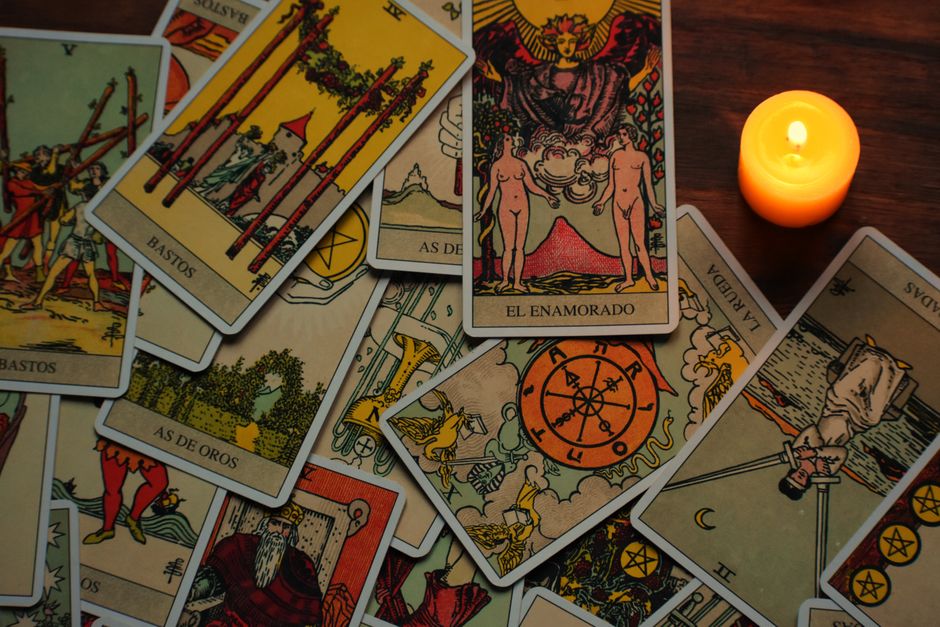
The earliest tarot cards appeared in the mid-15th century in northern Italy, such as Milan, Ferrara, and Bologna. At that time, they were called "tarocchi" and were a popular card game among the nobility, similar to modern bridge. The oldest surviving tarot deck is the Visconti-Sforza Tarot, painted for the Duke of Milan's family, containing 22 Major Arcana and 56 Minor Arcana cards, totaling 78. These cards depicted classical mythology, moral allegories, and courtly life, embodying Renaissance humanism but carrying no mystical or divinatory meaning.
Until the 18th century, tarot primarily spread as a game tool across Europe, especially in France and Switzerland. The rules were similar to regular playing cards, except for the concept of "trumps" (the Major Arcana cards).
The Infusion of Mysticism: The 18th-19th Century Turning Point
The association of tarot with mysticism began at the end of the 18th century. French occultist Antoine Court de Gébelin claimed in his work Le Monde Primitif that tarot cards were remnants of the ancient Egyptian Book of Thoth, containing esoteric wisdom. Although this claim lacked historical basis, it sparked mystical imagination about tarot. Subsequently, French occultist Éliphas Lévi linked tarot to Kabbalah, astrology, and alchemy, establishing a mystical system for tarot. The Golden Dawn tarot deck he designed (later refined by Waite and Smith) became the foundation of modern tarot.
In the late 19th century, Arthur Edward Waite, a member of the British occult organization the Golden Dawn, collaborated with artist Pamela Colman Smith to create the Rider-Waite Tarot deck. This deck was the first to illustrate the Minor Arcana (number cards) with scenic images, imbuing each card with rich symbolism for intuitive interpretation. The Rider-Waite Tarot became the most popular tarot deck worldwide and the standard for modern divination practice.

The Rise of Modern Divination: Psychology and Self-Exploration
In the 20th century, tarot gradually moved beyond purely mystical frameworks into the realm of psychology. Swiss psychologist Carl Jung proposed the concept of "synchronicity," suggesting that tarot cards could reflect an individual's unconscious state. He viewed them as a "symbolic tool" to help people explore inner archetypes. This perspective profoundly influenced later tarot practice, shifting its focus from "predicting the future" to "self-awareness" and "psychological projection."
Today, tarot is widely used in psychological counseling, creative inspiration, and personal growth. Many users do not believe the cards can "foretell" the future but instead use them as a medium for reflecting on the present and sorting out emotions. Tarot's open symbolic system allows each person to assign meaning based on their own experiences, which is the core of its enduring appeal.
If you are interested in tarot's symbolic system, you can try our online tarot reading to experience how the cards can converse with your inner self.
Common Misconceptions About Tarot
Despite its long history, many misconceptions surround tarot. For example, some people associate tarot with "black magic" or "cults," a notion stemming from exaggerated claims by 19th-century occultists. In reality, tarot is a neutral tool; its use depends on the user's intention. Another common misconception is that "tarot can only be interpreted by others." In fact, many tarot practitioners encourage self-study and self-reading, as the cards are more like a mirror for self-dialogue.
Furthermore, tarot is not "fortune-telling." It does not provide a definite future but reveals current possibilities and potential energies. As discussed in our blog, tarot is more of a psychological tool than a supernatural prediction method.

How to Begin Your Tarot Journey
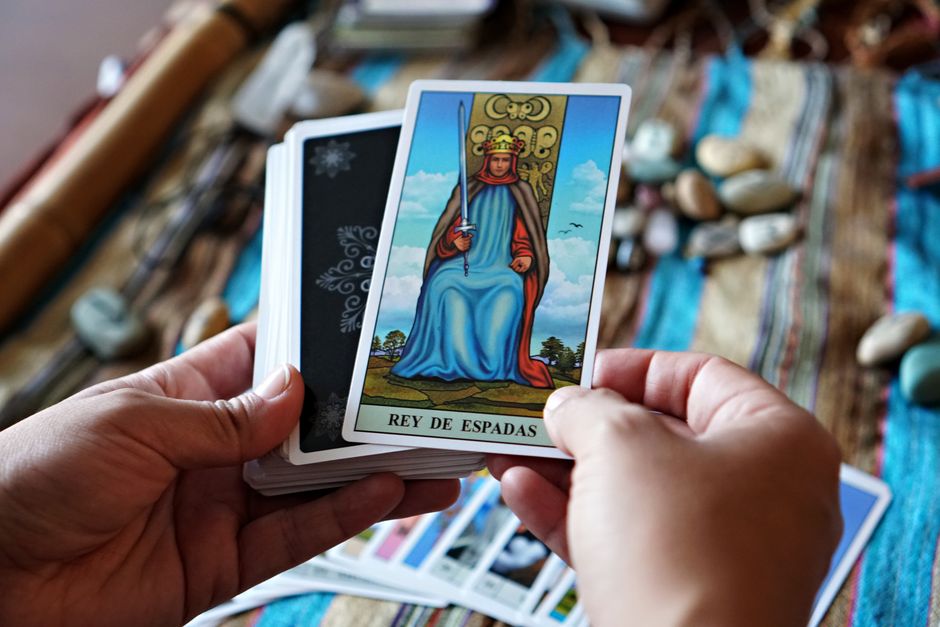
For beginners, it is recommended to start with the Rider-Waite Tarot, as its imagery is intuitive and resources are abundant. Learning tarot does not require special talent, only patience and an open mind. You can start by drawing one card daily and recording your feelings and associations. The key is not to rely on "standard interpretations" but to develop your own intuitive connection. The true value of tarot lies in how it inspires your inner wisdom, rather than providing external answers.
If you wish to explore deeper, you can try our interactive tarot spread, which offers structured questions to help you focus on specific areas such as relationships, career, or personal growth.
Further Reading
Frequently Asked Questions
Can tarot cards really predict the future?
Tarot cards do not provide definite future predictions but reflect current energies and potential trends. They are more like a mirror that helps you see your subconscious patterns and choice paths. Many users consider them a decision-making aid rather than a prophecy.
Do tarot cards carry negative energy? Do they need cleansing?
Tarot cards themselves have no "negative energy"; they are simply paper and ink. However, some people like to "cleanse" their decks through meditation, incense, or moonlight, which is more of a psychological ritual to reset the user's mindset. If you feel uneasy, you can clean the cards periodically, but it is not necessary.
Should I learn tarot on my own or find a teacher?
Both approaches are valid. Self-study can cultivate personal intuition and unique understanding, suitable for those with patience; a teacher can provide systematic guidance and feedback, accelerating learning. Whichever method you choose, practice and reflection are key. Many online resources, including our blog, also offer free introductory guidance.