In recent years, tarot has become increasingly popular among young people, but many beginners fall into common traps: believing tarot can predict fate, requiring special gifts, or relying on rote memorization of card meanings. This article systematically covers the essentials from card selection, learning, interpretation to ethics, helping you use tarot as a practical tool for self-awareness while respecting tradition.
What Is Tarot? Not Fortune-Telling, but a Mirror
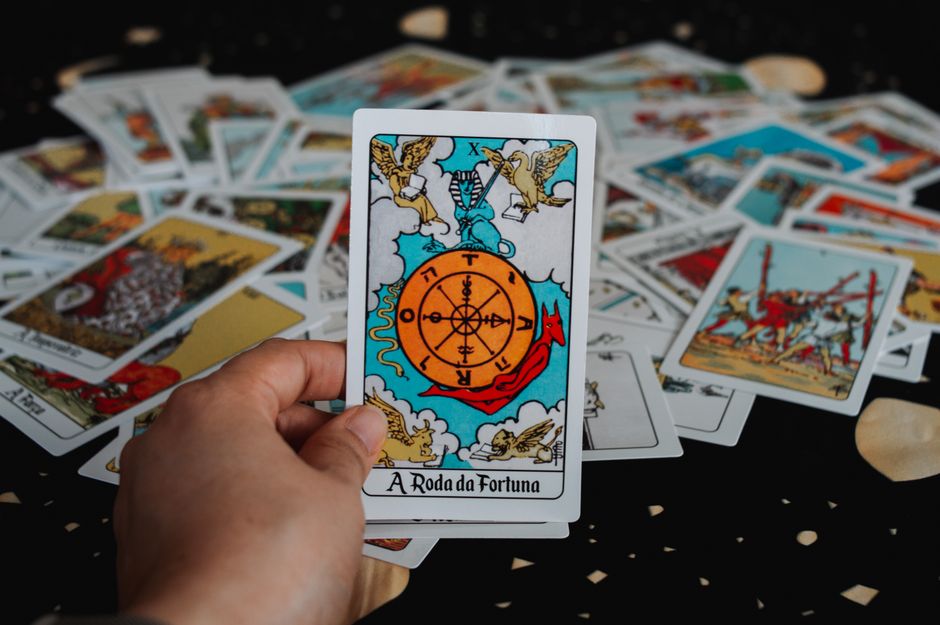
A standard tarot deck consists of 78 cards, divided into 22 Major Arcana (such as The Fool, Wheel of Fortune) and 56 Minor Arcana (Wands, Cups, Swords, Pentacles). The Major Arcana symbolize major life themes, while the Minor Arcana correspond to daily actions, emotions, thoughts, and material aspects. Many mistakenly believe tarot can predict the future with certainty, but its core value lies in stimulating intuition through symbolic imagery, helping you see your current state, potential choices, and inner conflicts. It does not take away your free will but returns power to you.
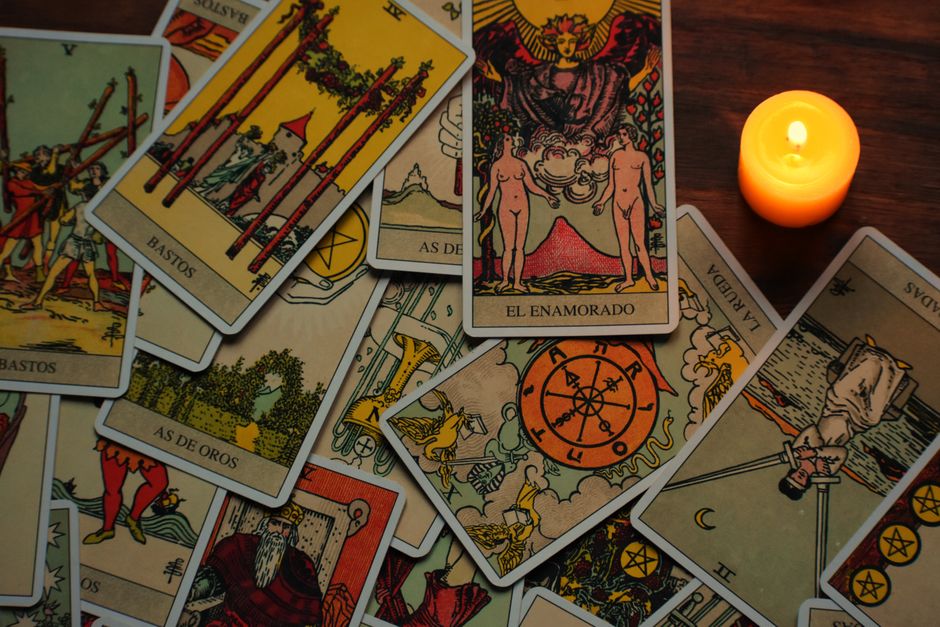
Choosing Your First Deck: Rider-Waite Is Best, Don't Be Seduced by Looks
There are many tarot systems on the market, the most popular being the Marseille, Rider-Waite, and Thoth. For absolute beginners, the Rider-Waite system is the best choice. Its detailed imagery (facial expressions, colors, scenes) allows you to make associations just by looking, without memorization. The Marseille deck has abstract images, and the Thoth deck is heavy with esoteric symbolism, neither suitable for beginners. When choosing a deck, besides the system, consider personal resonance—the artwork must feel comfortable and connecting. Look at actual card images online, not just the box cover.
Learning Card Meanings: Start with a Daily Draw, Not Memorizing a Guidebook
A common mistake beginners make is trying to memorize all 78 card meanings before starting to interpret. In fact, the most effective method is a daily draw: pull one card each day, observe the image for a minute, record your feelings, life associations, and one small actionable step. After a few weeks, your intuition will naturally sharpen. Guidebooks are aids, but true understanding comes from personal experience. For example, Temperance symbolizes balance, but a woman recovering from surgery might read it as "balancing health and work." The authoritative meaning is always inscribed in the querent's life.
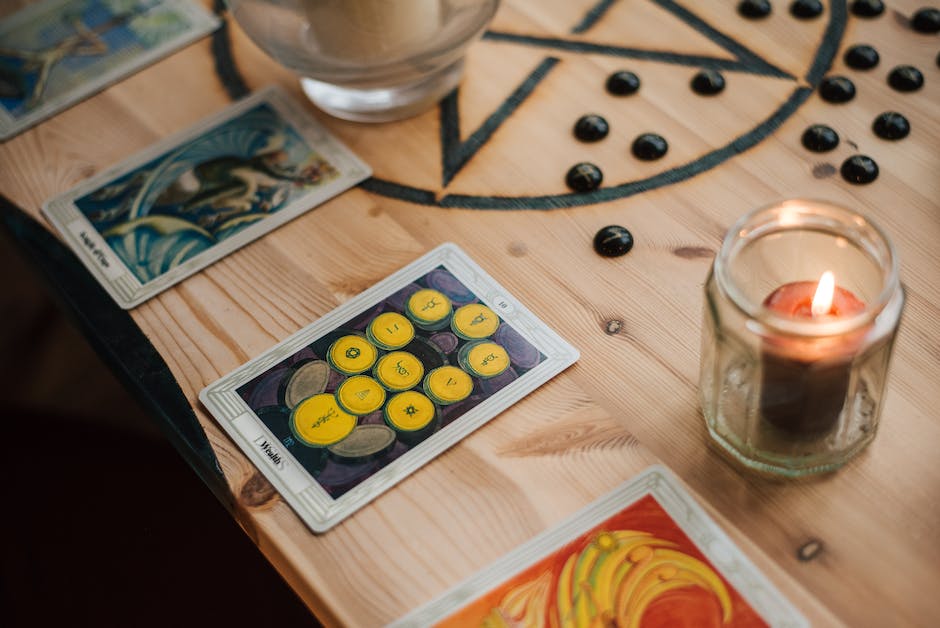
Interpretation Methods: Open-Ended Questions Over Yes/No
Tarot is not good at answering binary questions like "Does he love me?" Effective questions should be self-centered and open-ended, such as: "What is the current energy of this relationship?" "What should I pay attention to in this effort?" With the right question, the cards have something to say. When interpreting, avoid absolute pronouncements; instead, guide the querent to discover answers themselves. For instance, when the Tower card appears (symbolizing upheaval), don't say "Your relationship will break up," but ask: "What is this lightning bolt shattering?" This helps them see their own pretenses or fears.
Common Misconceptions: Reversed Cards Are Not Bad Omens, Intuition Is Not Psychic
Myth 1: Reversed cards equal negativity. Reversals usually indicate blocked or excessive energy, not simple opposites. For example, the King of Wands upright is confident; reversed might become arrogance. It's a reminder, not a judgment.Myth 2: You need psychic gifts to read tarot. Tarot is a symbolic language that anyone can learn through practice. Intuition is the ability to observe and associate, not supernatural.Myth 3: Tarot can change your luck. Tarot does not offer luck-altering services; it's just a tool. Real change comes from your actions and choices.
Practical Advice: Be a Warm Interpreter, Not a Cold Judge
The core of tarot reading is empathy and listening. When a querent is emotional, first soothe their feelings, don't rush to throw card meanings. Avoid using negative words that might hurt, such as with the Nine of Swords (nightmare card), instead of saying "You're anxious to the point of collapse," say "You've been carrying all this alone, it's really hard." A tarot reader can be a scalpel or a weapon—choose to be a healer. If you're interested in tarot, try our online tarot reading tool to start with a daily draw.
Tarot and Mental Health: View Rationally, Avoid Dependency
Tarot can provide emotional outlets and structured reflection, but it should not become an escape from reality. Young people's enthusiasm for tarot reflects a desire to be genuinely heard. In an era dominated by algorithms and KPIs, tarot offers a sense of "controlled uncertainty" and ritual. However, be wary of online divination scams—some spend large sums on "luck-boosting services," which deviates from tarot's purpose. Tarot is a tool; the person is the subject. For more on tarot and self-exploration, read our blog articles.
Frequently Asked Questions
Do I need a deck opening ritual?
No. Deck opening rituals are part of some traditions but are not necessary. What matters is building a connection with your deck through regular use. You can start with a daily draw without any complex ritual.
Will drawing a card daily affect my luck?
No. Tarot does not change luck; it only reflects your current state. A daily draw is a self-awareness exercise to help you tune into your inner world and external environment. Over-reliance can cause anxiety, so maintain moderation and treat it as a journaling or meditation aid.
What if I can't remember card meanings during a reading?
That's completely normal. Beginners don't need to memorize all meanings; you can always refer to a guidebook or app. With practice, you'll gradually remember common cards. The key is to first look at the image and make associations, then check references—this deepens memory. You can also use our online tarot tool to assist learning.