Many people first encounter tarot cards and wonder: why do they seem so accurate? Do you need psychic abilities to learn tarot? The answer may surprise you—tarot is neither fortune-telling nor supernatural, but a tool that blends semiotics, psychology, and self-awareness. This article will guide you from historical origins and psychological principles to practical methods, laying a clear, rational path for beginners.
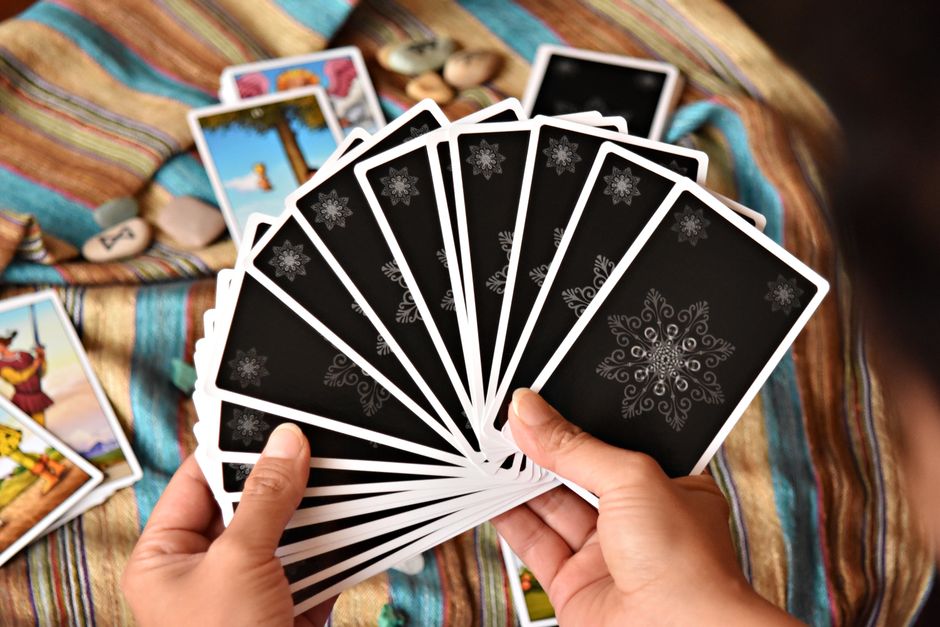
What Is Tarot? From Game to Spiritual Tool
Tarot cards were not originally used for divination. In 15th-century Italy, nobles played a card game called "Tarocchi," and the oldest surviving Visconti-Sforza tarot deck was a recreational item. It wasn't until the 18th century that French scholar Antoine Court de Gébelin mistakenly believed tarot contained ancient Egyptian wisdom, launching its esoteric journey. In the late 19th century, the British occult organization the Hermetic Order of the Golden Dawn integrated Kabbalah and astrology into the system. The Rider-Waite-Smith tarot, published in 1909, was the first to illustrate all minor arcana cards with scenes, greatly lowering the learning threshold and becoming the most popular beginner deck today.
A standard tarot deck has 78 cards: 22 Major Arcana representing major life themes (e.g., The Fool symbolizes beginnings, The Wheel of Fortune represents change), and 56 Minor Arcana divided into four suits—Wands (action), Cups (emotion), Swords (thought), and Pentacles (material)—each with 10 numbered cards and 4 court cards. Understanding this structure is the first step.
Why Does Tarot Seem Accurate? Three Psychological Principles
Collective Unconscious and Archetypes
Swiss psychologist Carl Jung proposed that humanity shares a "collective unconscious" containing universal archetypal images. Tarot imagery (like The Emperor, The Lovers, The Tower) visualizes these archetypes. When you draw a card at a specific moment, the image triggers archetypes in your unconscious, creating a sense of resonance—this is the first layer of tarot's perceived accuracy.
Projection: The Card as a Mirror
In psychology, "projection" refers to projecting inner emotions onto external objects. Tarot cards are excellent projection mediums: seeing The Tower when facing career setbacks evokes chaos and upheaval; drawing The Magician at the start of a creative project boosts confidence. The same card means different things to different people because the card merely reflects your inner state.
Synchronicity: Meaningful Coincidence
Jung also proposed "synchronicity"—events connected not by causality but by meaningful coincidence. When you draw a card that resonates with your situation in a moment of confusion, this coincidence is not the card changing reality but a meaningful connection between you and the image. Tarot's accuracy lies not in predicting the future but in illuminating the present.
How to Start as a Beginner? Choosing a Deck, Asking Questions, and Daily Practice
Choosing a Deck: Rider-Waite-Smith Is the Gold Standard
Beginners should start with a Rider-Waite-Smith (RWS) based deck because its detailed imagery—facial expressions, scenes, colors—conveys information that sparks associations. Avoid abstract decks like Marseille or heavily esoteric ones like Thoth. Look at actual card images and pick one that "feels right" to strengthen your connection.
Asking Questions: Open-Ended Questions Work Best
Avoid yes/no questions like "Does he love me?"—tarot is not good at binary judgments. Instead, ask open-ended, self-focused questions like "What is the current energy in this relationship?" or "What do I need to focus on in this situation?" The right question allows the cards to speak.
Daily Draw: The Simplest Yet Most Effective Method
Don't wait until you've memorized all 78 card meanings. From day one, draw one card daily: look at the image for a minute, then write down three things—your feelings, a life situation it reminds you of, and one small action you can take. Stick with this for a few weeks, and your intuition will noticeably improve. Set a fixed time (morning or before bed), just five minutes a day.
Reversed Cards: Not a Bad Omen, but a Reminder
Many beginners panic when they see reversed cards, but reversed usually doesn't mean the opposite of upright. It indicates blocked, excessive, or distorted energy. For example, the King of Wands upright is confident leadership; reversed may become arrogant domination. Reversed cards remind you to seek balance, not to judge.
Common Misconceptions and a Rational Attitude
Tarot is not a verdict of fate nor a tool to change luck. It cannot predict the future; it helps you clarify your present state. Beware of online "luck-changing services" and "auspicious items" traps. Tarot's value lies in self-exploration: it turns vague anxiety into concrete images, and inexpressible emotions into discussable symbols. The real power comes from the awareness, honesty, and courage you cultivate through use.
If you want to try a self-dialogue, check out our online tarot reading, designed based on the Rider-Waite-Smith system for beginners. For more learning resources, visit our blog.

From History to Practice: Six Centuries of Tarot Evolution
From a 15th-century Italian card game to an 18th-century esoteric misinterpretation to a 20th-century spiritual tool—tarot's evolution shows that its value lies not in its origins but in how we use it. Today, tarot is popular among young people because it offers a non-quantitative outlet in a quantified age, ritualized emotional expression, and the experience of being heard. But remember: tarot is a tool, not a GPS. It can be a rest stop when you're lost, but not an escape from reality.

Frequently Asked Questions
Do I need psychic abilities to learn tarot?
No. Tarot is a tool based on symbolism, psychology, and intuition that anyone can learn and practice. It's more like learning a language than having a mystical gift.
How long until I see progress with daily draws?
With 5-10 minutes daily, consistently doing one-card draws and recording your impressions, you'll notice your intuitive interpretations becoming sharper within a few weeks. Consistency matters more than duration.
Can tarot predict the future?
Tarot does not predict a fixed future; it reveals your current state and possible directions. The future depends on your choices. Tarot helps you clarify your thinking, not give you answers.