The 22 cards of the Tarot Major Arcana are mirrors reflecting the deepest archetypes of the human psyche. The High Priestess and The Emperor, seemingly yin and yang, stillness and action, together point to a core question: How do we find our place between the unknown and order? This article delves into their symbolism and inner lessons through myth, astrology, and psychology.

The High Priestess: Silent Guardian and Inner Wisdom
The High Priestess often puzzles beginners: she sits motionless, expressionless, her half-hidden scroll seeming to hold secrets. In mythological tarot, she is linked to Persephone—the Queen of the Underworld, the maiden abducted by Hades. This connection reveals her core: she belongs to no single world but lives in the spaces between.
The Myth of Persephone: Division and Transition
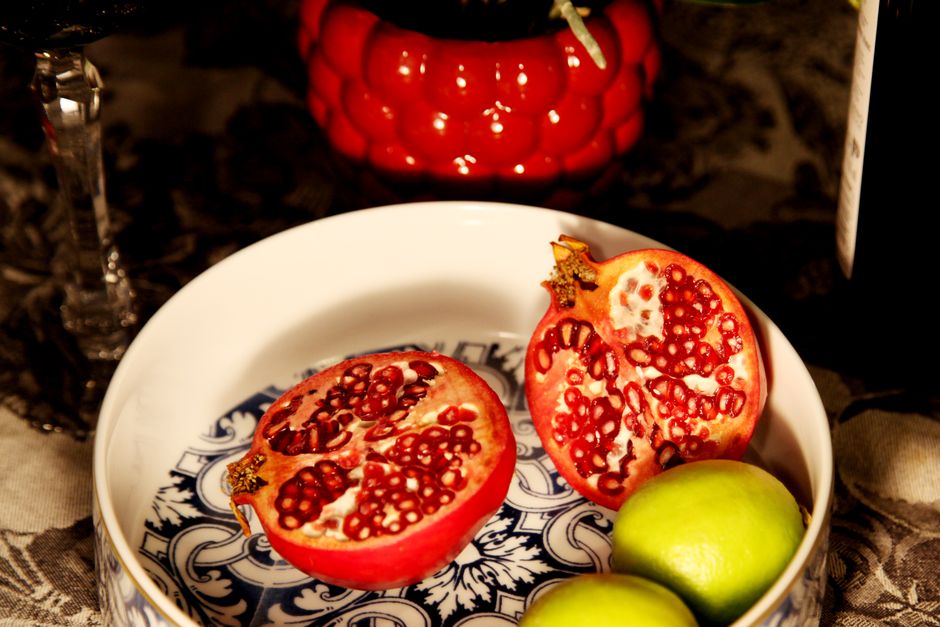
Persephone, daughter of the harvest goddess Demeter, was the embodiment of spring and life. While picking flowers, she was taken by Hades to the underworld and became his queen. After eating pomegranate seeds, she was bound to spend three months each year in the underworld, returning to the surface for the rest. This myth is not merely a story of abduction but of finding balance between two vastly different realms. Persephone is both a maiden beside her mother and a queen of the dead; she knows both sunlit flowers and the spirits of the underworld. This split is the core experience of the High Priestess.
Between Black and White: The Wisdom of Not Choosing
The two pillars behind the High Priestess, one black and one white, often symbolize duality. But Persephone's story offers another view: she belongs to neither black nor white but stands in the "crack" between them. Drawing the High Priestess in a spread often means you need not make a choice or find an answer immediately. You need to remain in the "not yet clear" state, letting intuition slowly ferment. Like the winter Persephone spends in the underworld, seemingly dead, but seeds are germinating in the soil.
Unspeakable Knowledge
The High Priestess's half-covered scroll symbolizes knowledge that cannot be fully expressed in words. In Jungian psychology, this corresponds to the "shadow"—the repressed, unlived parts of ourselves. When you draw the High Priestess, you may have intuitions, dreams, or feelings that are hard to articulate yet feel real. There is no need to logicalize them immediately; just give them space: write in a journal, paint a picture, or simply observe quietly. Just as Persephone need not explain the underworld to her mother, she only needs to return and sit beside her.
Astrological and Psychological Correspondences of the High Priestess
In astrology, the High Priestess resonates deeply with the Moon, symbolizing the subconscious, intuition, and emotion. The Moon is one of the fastest celestial bodies, completing a cycle every 28 days, mirroring the cycles of emotion and inner wisdom the High Priestess represents. Psychologically, she invites you to connect with your inner "feminine" aspect—not in a gendered sense, but the capacity to receive, wait, and perceive. When life pushes you to act quickly, the High Priestess reminds you that some answers can only be heard in silence.
The Emperor: The Builder of Order and the Shadow of Authority
If the High Priestess represents inner mystery, The Emperor embodies outer order. In mythological tarot, The Emperor corresponds to Zeus, king of the gods, lord of thunder. In astrology, this card resonates with Jupiter, the largest planet in the solar system, symbolizing expansion, wisdom, and justice. Zeus's Roman name is Jupiter, from which the planet takes its name. The core lesson of The Emperor is that true authority requires both the courage to overturn old rules and the vision to establish new laws.
The Myth of Zeus: From Patricide to Lawgiver
Zeus was not born a king. He overthrew his father Cronus, the Titan who devoured his children, then drew lots with his brothers to divide the cosmos: Zeus received the sky, Poseidon the sea, and Hades the underworld. Zeus's story is an archetype of "patricide" and "reconstruction": the old order (Cronus representing time and fear) must be broken for a new order (Zeus representing law and justice) to be established. The Emperor card does not encourage violent rebellion but invites you to examine your inner "Cronus"—outdated beliefs, rigid rules, self-limiting patterns. Only by overturning them can you become the lawgiver of your own life.
Jupiter and the Dialectic of Authority
In astrology, Jupiter rules Sagittarius, representing higher education, philosophy, and faith. Zeus as Jupiter's archetype wields authority not as rigid dictatorship but as dynamic balance. In Ingres's painting Jupiter and Thetis, Zeus sits on his throne holding a lightning bolt, while the sea goddess Thetis kneels in supplication. Zeus neither harshly refuses nor fully agrees but intervenes with wisdom. The Emperor card suggests that true authority requires listening, weighing, and compromise, not mere suppression.

The Shadow and Lesson of The Emperor
The Emperor also has a shadow side: excessive control, rigidity, and abuse of power. When reversed, or when someone falls into negative authority patterns, it may manifest as authoritarianism born of fear of losing control, or complete avoidance of responsibility, refusing to take charge of one's life. Zeus's story reminds us that authority must be earned, not imposed. The lesson of The Emperor is to establish rules with a clear mind, embrace expansion with an open heart, and illuminate truth with thunderous action.
The Dialogue Between High Priestess and Emperor: Balancing Inner and Outer
The High Priestess and The Emperor are not opposites but complements. The High Priestess represents inner intuition and the unknown; The Emperor represents outer structure and order. When these two cards appear together in a spread, they often indicate a need to balance both: intuition without order is chaotic, order without intuition is rigid. The myths of Persephone and Zeus also hint at this dynamic: Persephone moves between underworld and earth, Zeus cycles between overthrow and reconstruction. True growth occurs in the tension between the two.
Practical Advice: How to Work with These Energies
- When you draw The High Priestess: Pause action and listen to your inner voice. Record dreams, intuitions, or emotions without rushing to interpret. Give yourself "blank time" for answers to emerge naturally.
- When you draw The Emperor: Examine the structures and rules in your life. Which are necessary? Which are outdated? Like Zeus, have the courage to break old frameworks and build healthier new orders.
- When both appear together: Before making plans, allow space to feel your intuition, then take action. In relationships, respect your boundaries (Emperor) while remaining open and receptive (High Priestess).

Frequently Asked Questions
Does the High Priestess card represent occult abilities or psychic powers?
The High Priestess is indeed associated with intuition and the subconscious, but it need not be mystified. She represents the innate "sensing" ability within everyone—like having a hunch about something or dreaming a meaningful dream. These experiences are natural psychological phenomena, not supernatural. The High Priestess invites you to value these inner signals without treating them as superstition.
Does the Emperor card only represent father figures or male authority?
Not exactly. The Emperor represents the archetype of "authority," regardless of gender. It symbolizes the capacity to set rules, establish boundaries, and take responsibility. Within every person (male or female) there is an "Emperor" aspect that needs to be awakened and balanced. Over-identifying with The Emperor can lead to control issues, while suppressing it may result in a lack of direction.
How do I differentiate between upright and reversed meanings of The Emperor?
Upright The Emperor typically suggests a need to establish structure, take responsibility, and use wisdom and authority. Reversed may indicate excessive control, abuse of power, or complete avoidance of responsibility. However, reversed is not "bad"; it simply signals a need for balance. For example, reversed might mean you are rebelling against an authority but need a healthier approach, or you are too rigid and need to loosen the rules.
Want to explore the Tarot Major Arcana further? Visit our online tarot tool for interactive readings. Also check out our blog articles for more tarot knowledge.