Once, I equated tarot cards with "street fortune-telling"—a gimmick of mystification. Until one sleepless night, a friend half-jokingly pulled me to draw my first card. That reading didn't deliver prophetic statements, but it precisely hit the real confusion hidden behind my complaints. In that moment, it was like a gentle push on my back, finally giving me the courage to look inward. Since then, I've actively explored and learned tarot. Today, I want to share from the heart how this world of 78 cards transformed from "mystical symbols" into my daily "compass for the soul."
Breaking Prejudice: Tarot Isn't Fortune-Telling, but a Gentle "Emotional Mirror"
When I first started with tarot, the biggest revelation was discovering it cannot "predict" the future. I used to agonize over whether changing jobs would go smoothly or if a relationship would last, wishing the tarot reader would just give me a "yes" or "no." But real tarot reading is nothing like that.
Each tarot card's imagery—like the classic "Death" card—never depicts physical demise, but endings and transformation. Once I drew the "Hanged Man," showing a person suspended upside down with a calm expression. Looking at that card, I suddenly cried. In that moment, I realized I had been using "sacrifice" to impress myself—sacrificing rest, emotions, just to earn a medal saying "I've tried hard enough." But who gives that medal? No one. The tarot didn't tell me "what to do"; it gently nudged me: "See, you've already tried hard. You can come down now."

As a deep report in The Paper on tarot revelations noted: tarot acknowledges the current situation while offering the "reversed position" as a way to change fate. There are no bad cards in tarot; when faced with an unfavorable card, the first response is to avoid, and if unavoidable, to consider how to endure. Ultimately, tarot is a mirror suddenly placed before you, forcing you to see the truths you've been dodging.
Healing Practice: How to Use Tarot for Deep Self-Dialogue
If you also want to use tarot as a tool for self-exploration, my advice is: don't rush to learn complex spreads. First, treat it as a "tree hollow" that won't argue back.
1. Ask Questions About Specific Emotions
Before, when I had emotional breakdowns, I'd only scold myself: "Why did you mess up again?" Now, I take out my tarot cards, breathe deeply, and ask: "What am I really sad about today?" "Am I being hard on myself again?" Tarot doesn't speak, but it helps you see what your subconscious has been ignoring.
2. Treat Card Meanings as "Reflections of the Present" Not "Verdicts"
This is crucial. For example, drawing the reversed Page of Pentacles—traditionally meaning laziness, materialism, all talk. In the past, I'd immediately attack myself: "See, you're useless." But the book "Heart Tarot" offers a gentle perspective: it asks you, "Do you feel bored or exhausted? How does this affect your work? What do you lose when you stop doing something for joy?" See? Even a reversed card isn't scolding you; it's helping you uncover deeper reasons—are you too tired? Have you lost passion?
3. Focus on "Action Advice"
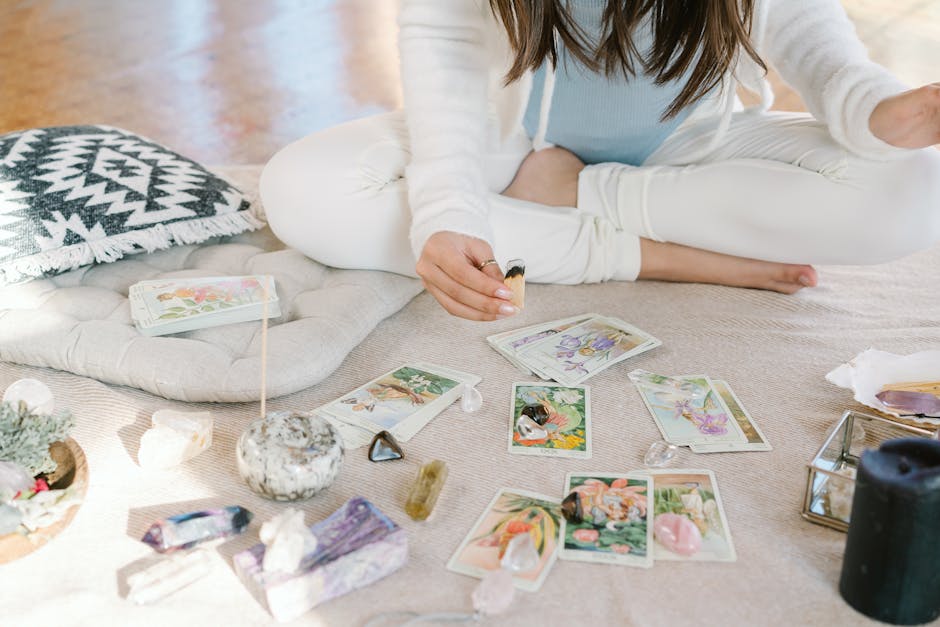
Every tarot card has corresponding "wisdom for action." For instance, drawing the Two of Wands encourages you to step out of your comfort zone and plan a path to your goals; drawing the reversed Page of Pentacles reminds you to reconnect with passion and seek inspiration. Remember, tarot isn't meant to let you sleep on "fate"—it wakes you up to see the path beneath your feet.
The Key to Combating Inner Turmoil: Turning "Fate" into "Choice"
Before, when I drew a "bad" card like the Ten of Swords—depicting a person stabbed in the back by ten swords, looking grim—I'd interpret it as "pain" and "betrayal." If I stopped there, it only fueled my anxiety. Later, an experienced tarot user told me: tarot's interpretation of the past is for acceptance, and its prediction of the future is for avoidance. No card is absolutely bad; it simply shows the most likely outcome from the present perspective.
This completely shifted my mindset. Now, when I draw the Ten of Swords, I no longer lament "I'm so unlucky" but think: "Since it hurts this much, shouldn't I pull out the swords and change direction?" Tarot returns the choice of the future to me—that's what makes it more valuable than mere fortune-telling. If you want to experience this self-awareness firsthand, try our Tarot Self-Reading Tool; it won't give you answers, but it will accompany you in asking questions.
Reconciling with Your Past Self: The Lesson of Self-Love Tarot Taught Me
A few days ago, I drew tarot again. Before drawing, I asked: "Can I hug the self that once tried so hard?"
Now, I use tarot to record emotions, like a diary, but gentler. It doesn't scold, "Why are you crying again?" Instead, it uses a "Star" card to tell me: "See, you're slowly getting better." Ultimately, tarot isn't magic—it can't make you rich overnight or bring back an ex. But it can help you see yourself, the one who once hid in a corner, trembling, yet still made it this far.
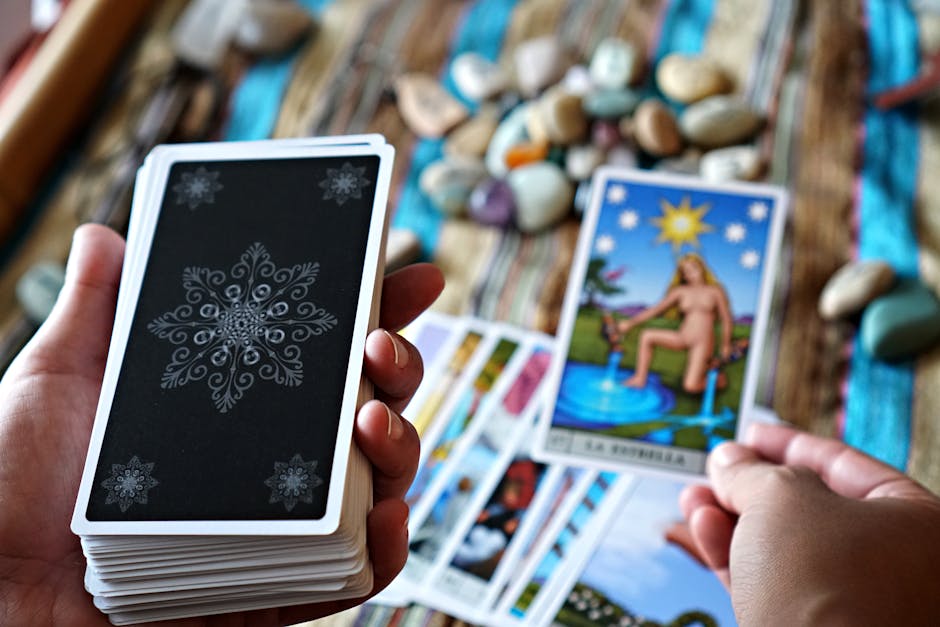
If you've ever called yourself a failure late at night, or felt inadequate in front of a mirror, try drawing a tarot card. This time, don't ask about the future—ask about the past: "Can I forgive the self that already did its best?" These cards won't give you life's answers, but they'll give you the courage to embrace yourself. For more on tarot and self-healing, feel free to browse our blog articles.
How Highly Sensitive People Can Use Tarot Safely
Highly sensitive people easily empathize and absorb negative energy. Here are some tips for safe tarot use:
- Set Emotional Boundaries: Before turning over a card, tell yourself: "Whatever card appears is just a reminder of my current state, not a verdict on my life." This acts as emotional armor.
- Avoid Frequent Readings: Drawing cards every time emotions fluctuate can lead to compulsive validation. It's best to read only when calm, or after stabilizing emotions by free-writing to clarify thoughts before asking tarot.
- Seek Professional Guidance: If feeling confused or distressed, find a tarot reader with a psychology background rather than going it alone. A good reader listens first, rather than jumping to conclusions.
Further Reading
Frequently Asked Questions
Can tarot cards really predict the future?
Tarot doesn't predict a fixed future; it reflects your current state and subconscious patterns. Through images and symbols, it helps you see trends based on present choices, but the final decision is yours. Rather than prediction, think of it as a mirror reflecting inner possibilities.
What if I draw a "bad" card like Death or The Tower?
There are no absolutely bad cards in tarot. Death represents endings and transformation; The Tower symbolizes sudden collapse, but both signify the clearing of old structures to make way for the new. The key is to ask: "What is this experience trying to teach me?" "How can I grow from it?" Shifting focus from fear to action turns obstacles into opportunities.
How should a beginner start learning tarot?
Start with one card a day, recording your feelings and associations rather than memorizing meanings. First, familiarize yourself with the 22 Major Arcana, then gradually expand to the 56 Minor Arcana. Also, read books that integrate psychology, such as "Inner Healing Tarot" or "Heart Tarot," to build a healthier perspective. Remember, tarot is a tool, not an authority—your intuition is your best teacher.