Astrology is like an ancient magic mirror, through which we can observe the interaction between self and the world more clearly. For beginners, mastering the basic traits of the zodiac signs and the operational principles of the planets is the first step into this discipline. This article starts with the foundational profiles of the twelve zodiac signs and then introduces the crucial concept of "sect" (day/night distinction) in classical astrology, helping you understand how planetary energy manifests differently based on birth time.
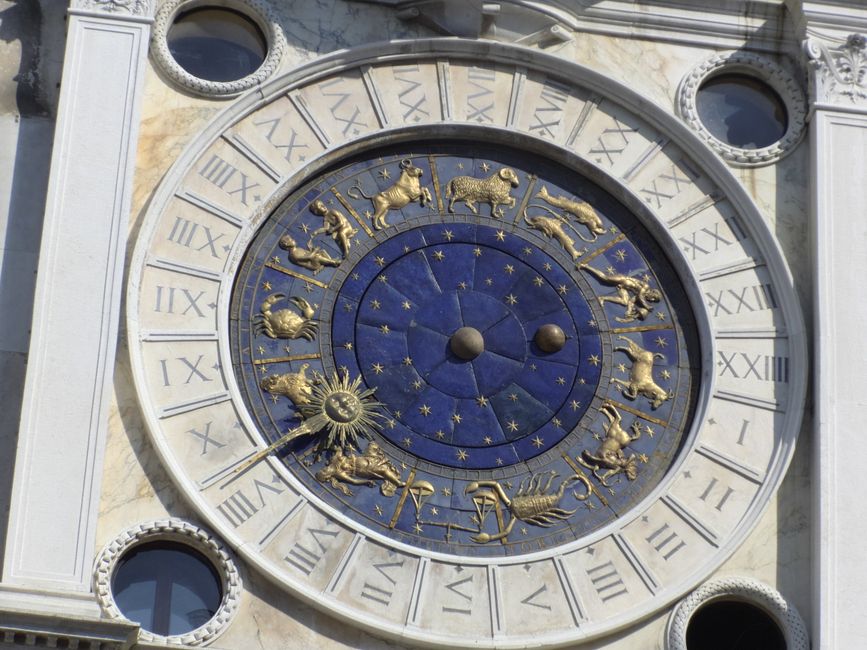
The Twelve Zodiac Signs: From Aries to Pisces
The zodiac is divided into twelve equal sections, each sign occupying 30 degrees. They are not only markers of time but also symbolize the twelve stages of human consciousness development. Below is a brief description of each sign's core traits:
- Aries: Initiative, impulsiveness, courage. As the first sign, Aries represents pure initial momentum, pursuing self-assertion and immediate action.
- Taurus: Stability, sensuality, stubbornness. Taurus focuses on material security, enjoys the pleasures of the five senses, and changes slowly but persistently.
- Gemini: Flexibility, curiosity, changeability. Gemini excels in communication and information exchange, with a quick mind but may be superficial.
- Cancer: Emotion, nurturing, nostalgia. Cancer is closely tied to family and emotional memories, protective, and easily influenced by the past.
- Leo: Confidence, creativity, drama. Leo craves attention, shines with warmth and generosity, but must guard against self-centeredness.
- Virgo: Analysis, order, perfectionism. Virgo pays attention to detail and efficiency, has a strong service spirit, but may fall into criticism.
- Libra: Balance, cooperation, aesthetics. Libra seeks harmony and justice, excels in social settings, but may be indecisive.
- Scorpio: Depth, transformation, control. Scorpio confronts life, death, and secrets, with intense emotions, pursuing truth and power.
- Sagittarius: Exploration, optimism, freedom. Sagittarius yearns for distant horizons and philosophy, values faith over daily life, but may lack patience.
- Capricorn: Responsibility, structure, ambition. Capricorn focuses on achievement and social status, disciplined and pragmatic, but may suppress emotions.
- Aquarius: Innovation, humanity, detachment. Aquarius pursues collective welfare and future ideas, with forward-thinking, but may appear aloof.
- Pisces: Empathy, dreaminess, dissolution. Pisces connects with the collective unconscious, rich in artistic inspiration, but boundaries are blurred.
Each sign has its light and shadow aspects. Understanding them is not about labeling but recognizing one's potential and challenges. To explore your personal birth chart further, try our online chart generation tool and input your birth information for a personalized interpretation.
Core Principle of Classical Astrology: Planetary Sect
Many beginners mistakenly believe that Jupiter and Venus always bring good luck, while Saturn and Mars inevitably cause obstacles. However, in the Hellenistic classical astrology system, a key rule modifies the benefic/malefic tendencies of planets—the concept of "sect" (day/night distinction). Derived from the Greek word hairesis, meaning "faction" or "camp," it divides planets into two camps based on the day or night nature of the birth time.

How to Determine the Sect of a Birth Chart
Simply put: if the Sun is in the upper hemisphere of the chart (above the Ascendant-Descendant axis), it is a day chart; if the Sun is in the lower hemisphere, it is a night chart. This determination is the foundation for all subsequent interpretations.
Planetary Camp Division
- Day Camp: Sun (luminary), Jupiter (diurnal benefic), Saturn (diurnal malefic). Day planets adapt to the hot, extroverted nature of daytime. Jupiter is more active and expansive in day; Saturn, placed in the day camp, can transform its repression into stability.
- Night Camp: Moon (luminary), Venus (nocturnal benefic), Mars (nocturnal malefic). Night planets adapt to the cold, introverted nature of nighttime. Venus's energy flows more smoothly at night; Mars, placed in the night camp, can channel impulsiveness into positive action.
- Neutral Planet: Mercury. Mercury has no fixed sect; it is usually determined by its position relative to the Sun: if it rises before sunrise (morning star), it belongs to the day camp; if it sets after sunset (evening star), it belongs to the night camp.
How Sect Modifies Benefic/Malefic Tendencies
Sect does not change a planet's strength but affects how its energy is expressed:
- When a planet matches its sect: Benefics are more beneficial (Jupiter in a day chart, Venus in a night chart), malefics are less harmful (Saturn in a day chart, Mars in a night chart). For example, 4th-century astrologer Firmicus Maternus noted that Saturn in the 8th house in a day chart may bring inheritance income, but in a night chart, inheritance may be lost.
- When a planet is out of sect: Benefics weaken (Jupiter in a night chart, Venus in a day chart), malefics become more harmful (Mars in a day chart, Saturn in a night chart). Firmicus gave an example: Jupiter in the 10th house (Midheaven) in a day chart can produce a prominent leader; in a night chart, though virtuous, the person may be easily deceived and struggle to keep wealth.
This rule is widely applied in classical astrology and is a prerequisite for interpreting the overall tone of a chart. To delve deeper into predictive techniques, refer to our advanced astrology study guide, which systematically outlines the complete path from natal interpretation to forecasting.
Common Misconceptions and Clarifications
When applying sect, beginners often fall into these pitfalls:
- Thinking sect determines everything: In reality, it is only one modifying factor; a planet's sign, house, and aspects are equally important.
- Ignoring Mercury's neutrality: Mercury's sect assignment has a minor impact on the overall picture, so don't overthink it.
- Absolute good or bad: Even a malefic in an unfavorable sect can manifest constructive energy through other configurations; comprehensive judgment is needed.

Practical Advice: Start with Your Natal Chart
For beginners, it is recommended to first draw your own birth chart, observe the Sun's position to determine the sect, then check each of the seven planets to see if they are "in sect." For example, if you have a night chart, the Moon and Venus will flow more smoothly, while Saturn may bring more pressure. Try to record these feelings and verify them with real-life events. Astrology is an empirical discipline; only through practice can you cultivate intuition and insight.
If you want to systematically learn astrology, start with our free chart interpretation tool, which helps you quickly build a preliminary understanding of your personal chart.
Frequently Asked Questions
Is sect only used in classical astrology? Is it also used in modern astrology?
Sect is a core principle of classical astrology and is less emphasized in modern astrology, though many modern astrologers still reference it. It mainly affects the interpretation of a planet's benefic/malefic nature, not its sign meanings.
If most of my planets are out of sect, does that mean my fate is bad?
Not necessarily. Sect is just one modifying factor; planetary aspects, houses, and the overall chart pattern can provide remedies. For instance, although Saturn is unfavorable in a night chart, if it forms harmonious aspects with benefics, it can still play a constructive role.
How exactly is Mercury's sect determined?
The mainstream rule comes from Ptolemy: if Mercury rises before sunrise (morning star), it belongs to the day camp; if it sets after sunset (evening star), it belongs to the night camp. Other schools may use different rules, but in practice, Mercury's sect has a minor impact on interpretation.