Astrology is often compared to a 'magic mirror'—it doesn't determine fate but reflects our inner potentials and patterns. For beginners, the natal chart (birth chart) may seem complex, but it's built from a few core elements: planets, signs, houses, and aspects. This article starts with the most familiar Sun sign, then expands to the Moon, Rising sign, and the ten planets, helping you build a foundational framework for astrology.
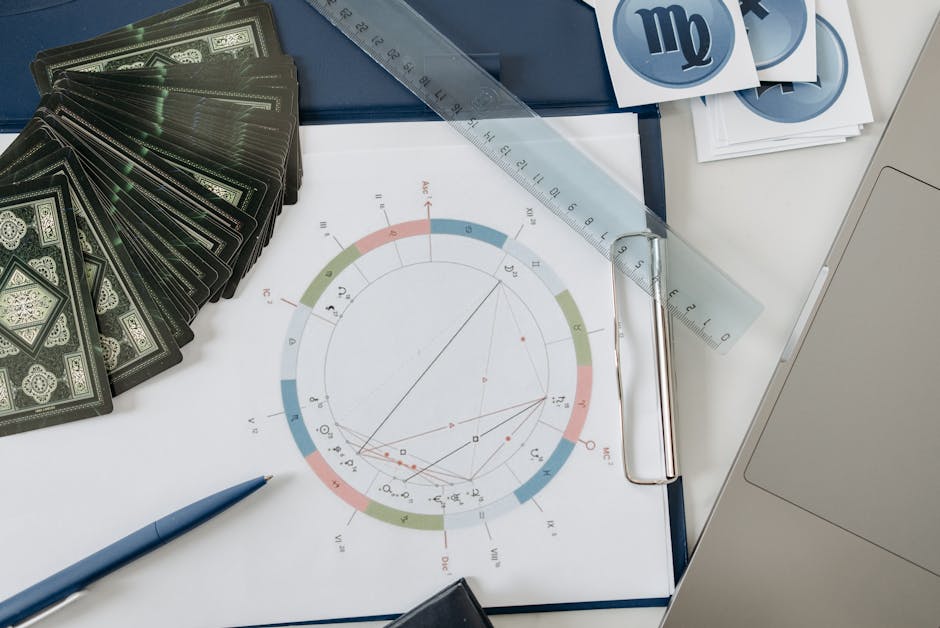
Sun Sign: Your Core Identity
The Sun sign is the zodiac sign we talk about most often. It represents your core self, life will, and creativity. The Sun's position in the chart reveals 'who you want to become' and 'how you shine.' It's not all of you, but the part you most consciously identify with. For example, a Sun in Aries person is often direct and courageous, while Sun in Libra seeks harmony and balance. The Sun's energy needs to be developed through conscious action—connecting with your inner Sun through play, adventure, and creation.
Moon Sign: Your Emotional Instincts
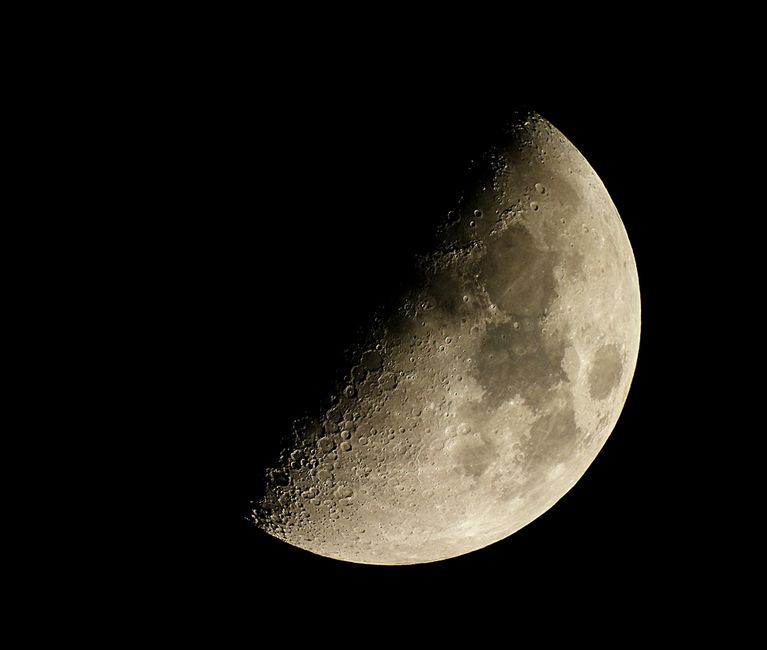
If the Sun is daytime consciousness, the Moon is nighttime subconscious. The Moon sign represents your emotional needs, instinctive reactions, and source of security. It reveals how you feel the world and what you need in close relationships. For instance, Moon in Cancer craves nurturing and care, while Moon in Aquarius needs emotional freedom. Understanding your Moon sign helps you better grasp your emotional patterns and inner child.
Rising Sign: Your Persona
The Rising sign (Ascendant) is the zodiac sign rising on the eastern horizon at your birth. It represents the first impression you give others and how you instinctively respond to new environments. It's like a 'mask' you wear, but not false—it's your natural strategy for adapting to the world. For example, a Rising in Capricorn person appears steady and serious, while Rising in Gemini seems quick-witted and curious. The ruling planet of your Rising sign (chart ruler) and its placement further adjust this persona. To find your Rising sign, you need an accurate birth time and location, which can be calculated using a professional birth chart tool.
The Ten Planets: Cosmic Psychological Functions
In astrology, the ten planets (including the Sun and Moon) each represent a basic psychological drive or life area. They fall into different signs and houses, forming unique energy combinations.
Personal Planets: Quick Daily Influence
- Sun: Self, will, creativity
- Moon: Emotions, instincts, security
- Mercury: Mind, communication, learning
- Venus: Love, beauty, values
- Mars: Action, desire, courage
Social Planets: Connecting with Others and the World
- Jupiter: Expansion, belief, luck
- Saturn: Responsibility, limitation, structure
Outer Planets: Generational and Collective Unconscious
- Uranus: Change, innovation, freedom
- Neptune: Dreams, spirituality, dissolution
- Pluto: Transformation, power, deep unconscious
Outer planets move slowly, influencing generations rather than individuals. However, their house and aspect placements in your personal chart reveal how you engage with the changes of your era. For example, during Pluto in Capricorn (2008–2024), the world experienced profound restructuring of power and structures.

Houses: The Twelve Areas of Life
Houses divide the chart into twelve life areas, from self-identity (1st house) to the subconscious (12th house). The house a planet occupies indicates where its energy primarily manifests. For example, Venus in the 7th house may experience love and beauty in marriage or partnerships. There are several house systems; the most common is Placidus, which is calculated based on birth time and location.
Aspects: Conversations Between Planets
Aspects are angles formed between planets, describing how they interact. Major aspects include:
- Conjunction (0°): Energy fusion, intensified power
- Sextile (60°): Harmonious opportunity, easy cooperation
- Square (90°): Challenge and conflict, promotes growth
- Trine (120°): Natural talent, smooth support
- Opposition (180°): Polarity and complement, need for balance
For example, Sun square Saturn may create an internal tug-of-war between confidence and responsibility, requiring effort to integrate. Aspects are neither good nor bad; together they weave your unique life story.

Common Misconceptions and a Rational View
Astrology is often misunderstood as fatalistic or mere personality labels. In truth, it's more like a language describing potentials, not certainties. Your Sun sign is not all of you, and your Rising sign is not a false mask. The chart is a dynamic map; you always have free will to choose how to express these energies. Approach astrology as a tool for self-awareness, not a crystal ball for prediction. To explore your own chart, try using an online birth chart generator and interpret it step by step with this guide.
Practice Tips: Start by Interpreting Your Own Chart
1. Get your accurate birth time (to the minute) and location, then generate your natal chart.
2. First look at your Sun, Moon, and Rising signs, and see if their descriptions resonate with your self-perception.
3. Observe planets in the 1st house (the house of the Ascendant)—they represent your most outward traits.
4. Note the signs on the four angles (Ascendant, Descendant, MC, IC)—they indicate important life directions.
5. Don't rush to understand everything at once. Let astrology gradually become a companion for understanding yourself and others.
Frequently Asked Questions
Which is more accurate: Rising sign or Sun sign?
Neither is 'more accurate'; they represent different layers. The Sun is your core self, the Rising is your outer persona. A person may have Sun in Leo (inner pride and confidence) but Rising in Capricorn (outwardly reserved and serious)—both are real. Consider them together rather than comparing.
Can I read my chart without an exact birth time?
Yes, but you will lack Rising sign and house information, and the Moon sign may be off. If you only know the date, you can still check the zodiac positions of the Sun, Mercury, Venus, Mars, etc., to understand basic tendencies. For a full reading, try to confirm your birth time.
What does a planet in retrograde mean? Does it bring bad luck?
Planetary retrograde is an apparent backward motion, not actual reversal. In astrology, retrograde periods are often seen as times for introspection, review, and readjustment, not bad luck. For example, Mercury retrograde can cause communication mishaps, but it's also a good time to reflect and correct. Don't fear it—think of it as a speed bump, not a roadblock.