When we talk about our family of origin, we often fall into two extremes: either blaming everything on our parents or trying to completely sever ties with the past. In astrology, the Fourth House is the realm connected to our family roots and inner sense of security. It is not only a repository of childhood memories but also carries generational family issues and unspoken secrets. This article will start from the core meaning of the Fourth House and incorporate the perspective of family astrology to help you re-examine the deepest corner of your birth chart.
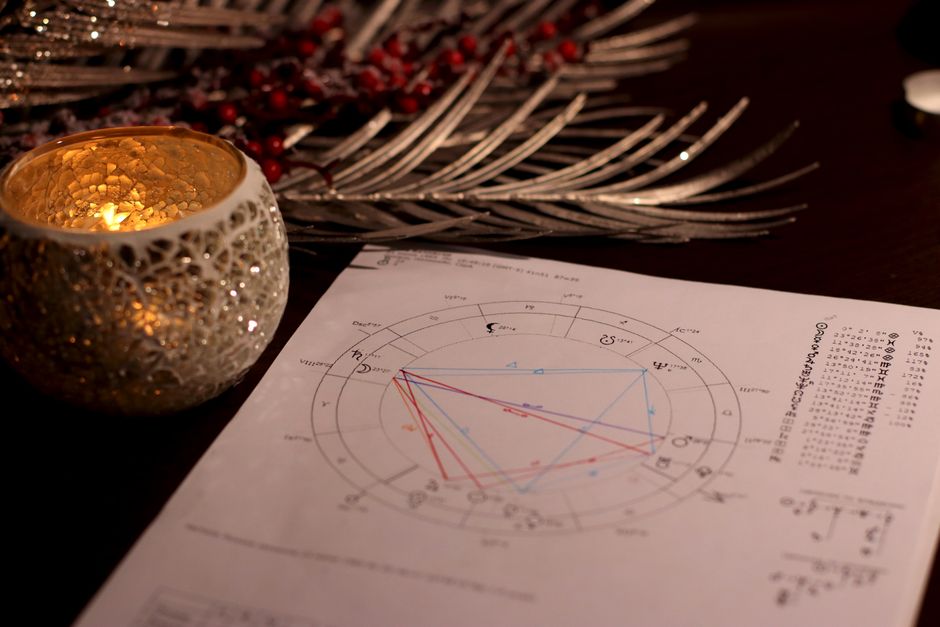
The Fourth House: Home and Roots in the Chart
In astrology, the Fourth House sits at the very bottom of the chart, symbolizing our roots, family of origin, childhood environment, and inner emotional foundation. It corresponds to Cancer and the Moon, representing our deepest need for security. The Fourth House not only describes the atmosphere of the family we were born into but also reveals how we build our own "home" in adulthood—whether physical dwelling or psychological belonging.
Core Meanings of the Fourth House
- Family of Origin and Childhood: The Fourth House reflects our early relationship with parents (especially the mother) and the emotional interaction patterns within the family.
- Family Legacy and Karma: It carries unresolved emotional issues from the family line, which may be passed down through generational patterns.
- Inner Security: How we achieve emotional stability and how we relate to ourselves when alone.
- Later Life and Final Resting Place: The Fourth House also symbolizes the later stages of life and our ultimate spiritual归宿.
If there are planets in the Fourth House, or if the sign on its cusp is emphasized, these themes become especially prominent. For example, Saturn in the Fourth House may indicate heavy childhood responsibilities or emotional suppression, while Jupiter in the Fourth House can bring family generosity and support.
Family Astrology: Generational Codes in the Chart
Our birth chart is not only a blueprint of our personal destiny but also a snapshot of our parents' transits at the moment of our birth. In other words, when we are born, the planetary positions simultaneously record the issues we and our parents are experiencing. This perspective transforms parent-child relationships from mere "personality clashes" into soul-level co-growth.
The Final Dispositor: A Clue to Family Themes
In family astrology, the final dispositor is a key concept. It is the planet found by tracing each planet's rulership chain until reaching a planet that is "undisposed" (i.e., in its own sign or in a mutual reception loop). This planet often reveals the core issue that several generations of a family face together.
How to find it: Start with the Sun, see which sign it is in, and find the ruler of that sign. Then repeat with that planet until you reach a planet that is in its own sign or part of a mutual reception. Do this for every planet; the planet that appears most frequently is the final dispositor.
For example, if the final dispositor is Jupiter, the family may have recurring themes of migration, travel, or faith. If it is Saturn, themes of responsibility, limitation, or structural challenges may be prominent.

Parent-Child Chart Comparison: Seeing Soul Agreements
Overlaying the charts of parents and children can reveal deep interaction patterns. Here are three methods worth trying:
- Parent-Child Synastry: Directly observe aspects between personal planets. For example, Moon-Venus aspects indicate smooth emotional flow; Saturn squaring the Sun may feel like suppression.
- Parents' Composite Chart vs. Child's Chart: The parents' composite chart represents the essence of their relationship. How the child's chart interacts with it shows how the child touches the core of the parental relationship.
- Child's Natal Chart as Parents' Transit Chart: The child's birth chart is the transit chart for the parents at that moment. This explains why certain family events coincide with the child's birth.
If you want to explore your own family chart patterns, try our chart interpretation tool by entering your birth information to see what the Fourth House and final dispositor reveal.
Sun-Moon Aspects: Inner Mapping of Parental Relationship
The Sun and Moon are the most important luminaries in the chart. The aspect between them reflects the interaction between what we "want" (Sun) and what we "need" (Moon), often rooted in childhood perceptions of the parental relationship.
Sun Conjunct Moon
These individuals usually feel that their parents conveyed consistent messages, with clear goals and little inner conflict. They may come from a superficially harmonious family but sometimes overlook deeper emotional complexity.
Sun Opposite Moon
People born under a Full Moon often experience a tug-of-war between "want" and "need," feeling that their parents gave contradictory messages. They tend to be indecisive and emotionally volatile, but also possess excellent empathy and can understand multiple perspectives.
Sun Square Moon
The square brings tension and challenge. These individuals may have felt conflict between parents or felt not fully accepted in childhood. They often have a strong drive to achieve, trying to prove themselves through external success, but frequently feel lonely inside.
Sun Trine or Sextile Moon
Harmonious aspects bring coordination between emotions and will. These people usually have stable security and harmonious relationships, but may sometimes avoid conflict too much.
These aspects not only reveal inner conflict but also offer a path to integration. For example, someone with Sun opposite Moon can find a planet that trines both ends of the opposition to ease the tension.
Common Misconceptions and Clarifications
There are several common misconceptions about the Fourth House and family astrology that need clarification:
- The Fourth House only represents the mother? Traditionally, the Fourth House is associated with the mother, but in modern astrology, it more broadly represents the "inner parent" or our primary caregiver as perceived, not specifically one gender.
- Family patterns cannot be changed? The purpose of family astrology is not fatalism but awareness. Once we see a pattern, we have the opportunity to transform it. Healing one person can loosen the energy of the entire family.
- Without a birth time, the Fourth House cannot be read? Although an exact rising sign and house cusps require a birth time, planetary signs and aspects still provide abundant information. Even without a time, you can start with the Sun, Moon, and final dispositor.

Practical Suggestions: How to Explore Your Fourth House
If you want to delve deeper into your Fourth House and family patterns, try these steps:
- Get Your Natal Chart: Use a reliable astrology software or website with accurate birth time and place. If the time is uncertain, try rectification or use a sunrise chart as a reference.
- Focus on the Fourth House Cusp and Planets: Check which sign is on the Fourth House cusp and whether any planets are in the house. For example, the Fourth House in Cancer may indicate a family rich in emotions, while in Capricorn it emphasizes responsibility and structure.
- Find the Final Dispositor: Using the method above, identify the final dispositor in your chart and consider how it manifests in your family.
- Compare Family Charts: If possible, collect birth information from parents and siblings to observe recurring planetary themes or aspect patterns.
- Track Transits: When transiting planets activate your Fourth House, pay attention to changes in family or inner security—these are often opportunities for healing.
You can learn more about the Fourth House and other houses through our astrology blog, or directly use the online chart tool to generate your personal report.
Frequently Asked Questions
What does an empty Fourth House mean?
An empty Fourth House does not mean family issues are unimportant. An empty house means the energy in that area is relatively pure, without interference from specific planets, but the cusp sign and its ruler still play a role. For example, if the Fourth House cusp is in Cancer, the Moon's position and aspects become key.
How can I tell if family patterns are repeating?
Look for commonalities in multiple family members' charts: for instance, the same final dispositor, or Sun/Moon in the same sign. Also, note the pattern of the North and South Nodes—if the nodes of father and son are opposite, it may indicate complementary themes and transformation.
Does the Fourth House relate to real estate and moving?
Yes, the Fourth House also symbolizes physical home, property, and later life. When transits trigger the Fourth House, it may coincide with moving, buying a house, or changes in family structure. But more importantly, these external events often correspond to adjustments in inner security.