Physiognomy, as part of traditional Chinese culture, has a long history, embodying ancient observations and thoughts on human nature and destiny. Among its concepts, forehead wrinkles and Ma Yi Shen Xiang (麻衣神相) are frequently mentioned. This article explores the traditional wisdom behind these symbols from a cultural perspective, helping readers understand their historical context and symbolic meaning, rather than treating them as absolute predictions.

Forehead Wrinkles: Symbols of Destiny on the Forehead
In traditional physiognomy, the forehead is called the "Heavenly Court" (天庭), governing a person's early fortune and wisdom. The shape, position, and number of forehead wrinkles are believed to reflect personality and life path. Common types include:
- Chuan Wen (川字纹): Three vertical lines forming a "川" character. Traditionally associated with longevity, but if overly long, may suggest complex family relationships. Those with this pattern between the eyebrows are often seen as kind-hearted and grateful.
- Yan Yue Wen (偃月纹): Crescent-shaped, also known as Fu Xi Wen (伏犀纹). Traditionally indicates nobility, gentle and upright temperament, endurance, suitable for politics or leadership.
- Yang Yue Wen (仰月纹): Lines curving upward, traditionally signifies great nobility and career success.
- Heng San Wen (横三纹): Three horizontal lines, traditionally suggests a difficult youth with many setbacks.
- Xuan Zhen Wen (悬针纹): A vertical line between the eyebrows, traditionally indicates weak family ties and a life of toil.
It is important to note that these interpretations are based on ancient empirical observations, not scientific conclusions. From a modern perspective, forehead wrinkles are more related to genetics, skin aging, and expression habits. Viewing them as cultural symbols helps us understand how ancient people perceived destiny.
Ma Yi Shen Xiang: The Masterpiece of Traditional Physiognomy
Ma Yi Shen Xiang (麻衣神相), written by the Northern Song dynasty physiognomist Chen Tuan (陈抟), is considered a classic of physiognomy. It observes facial features to infer personality and fortune through the five sense organs, complexion, and lines. Its core idea is "the face reflects the mind" (相由心生), emphasizing the influence of inner cultivation on outer appearance.
The Five Organs and Fortune
Ma Yi Shen Xiang divides the face into five "organs": ears (采听官, organ of hearing), eyebrows (保寿官, organ of longevity), eyes (监察官, organ of supervision), nose (审辨官, organ of discernment), and mouth (出纳官, organ of expression). Each organ's shape, color, and position carry specific meanings. For example:
- Ears: Ears higher than eyebrows traditionally indicate longevity and high IQ; small ears may suggest lack of confidence; ears close to the head signify wealth.
- Eyebrows: Clear and elegant eyebrows traditionally indicate high IQ and EQ; thick eyebrows suggest early success; sparse eyebrows favor late marriage.
- Eyes: Eyes that conceal their light traditionally indicate wisdom; yellowish whites may suggest a quick temper.
- Nose: A high nose bridge traditionally indicates strong will; a round nose tip suggests good fortune in wealth.
- Mouth: A large mouth traditionally indicates a life without worries about food; thick lips suggest honesty, thin lips eloquence.

Three Sections and Life Stages
Ma Yi Shen Xiang divides the face into upper, middle, and lower sections: the upper section (forehead) governs youth (ages 1-25), the middle section (eyebrows to nose) governs middle age (26-50), and the lower section (below nose) governs later years (after 50). A full upper section traditionally indicates good innate fortune; a prominent and fleshy middle section signifies wealth; a rounded lower section suggests a blessed life.
Common Misconceptions and Rational View
In folk transmission, physiognomy is often oversimplified or absolutized, leading to misunderstandings. Here are some common misconceptions:
- Face determines destiny: Physiognomy is more an empirical summary than a scientific law. One's destiny is influenced by many factors, including education, environment, and personal effort.
- Single feature judgment: Traditional physiognomy emphasizes a holistic view, requiring comprehensive analysis of the five organs, complexion, bone structure, etc., rather than concluding from a single wrinkle or mole.
- Absolute auspiciousness or inauspiciousness: Many sayings use relative concepts of "auspicious" and "inauspicious," which may vary across eras and cultures. For example, the Xuan Zhen Wen is traditionally seen as indicating weak family ties, but in modern society, independent individuals may also have similar lines.

Practical Advice: Face Reading as a Tool for Self-Reflection
If you are interested in physiognomy, consider using it as a tool for self-awareness and reflection rather than fortune-telling. Here are some suggestions:
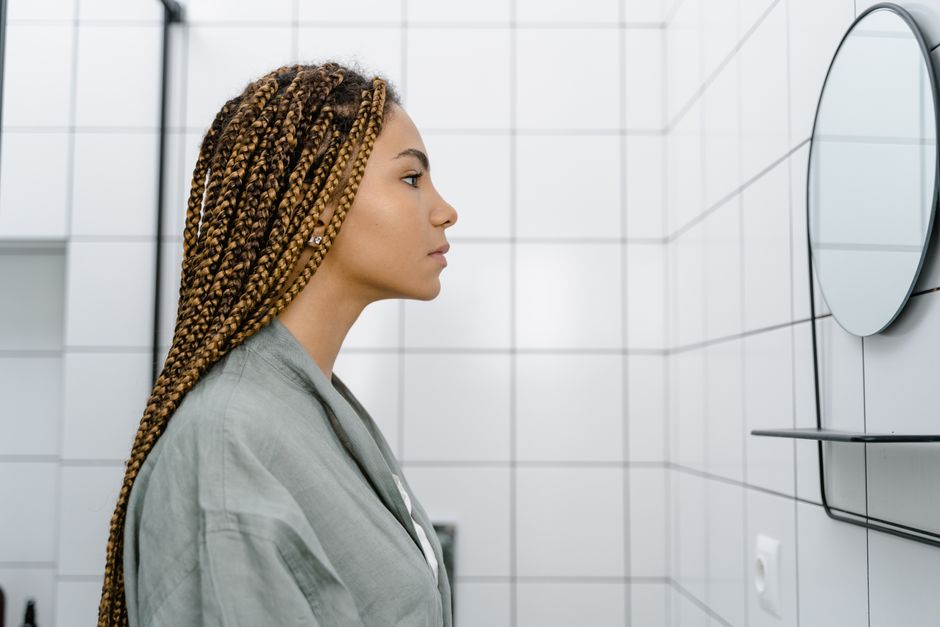
- Observe and record: Look in the mirror, observe your facial features (such as forehead wrinkles, eyebrow shape, nose type), and record your personality traits and life experiences to see if there are any correlations.
- Study the classics: Read classic works like Ma Yi Shen Xiang to understand their cultural background and philosophy, rather than just memorizing sayings.
- Keep an open mind: Physiognomy has its limitations; do not label yourself or others based on a single feature. Everyone's destiny is in their own hands.
- Try a tool: If you are interested in analyzing facial features, try our face reading tool, based on traditional physiognomy but for entertainment only.
Frequently Asked Questions
Can forehead wrinkles really predict destiny?
From a scientific perspective, forehead wrinkles are mainly determined by genetics, skin aging, and expression habits, with no direct causal relationship with destiny. Traditional physiognomy interpretations are ancient empirical summaries belonging to the cultural realm and should not be taken as absolute predictions.
Is Ma Yi Shen Xiang still useful today?
As a cultural heritage, Ma Yi Shen Xiang has historical and philosophical value. Modern people can use it to understand ancient ways of thinking, but should not apply it to practical decisions. If you want to experience the fun of traditional physiognomy, try our related articles.
Does physiognomy conflict with science?
Physiognomy is empirical knowledge, not scientific theory. Science and physiognomy have different scopes: science explains objective laws, while physiognomy offers a cultural perspective. They do not conflict, but their boundaries must be clear.
How to learn physiognomy correctly?
Approach it with a cultural research attitude: read classic texts, understand their historical background and philosophical foundations. Maintain critical thinking, avoid superstition and blind faith. Combine it with modern psychology and behavioral science as an auxiliary tool for self-awareness.