In Ba Zi (八字, the Four Pillars of Destiny), "gods and noblemen" (神煞) are a system of symbolic stars derived from the combinations of Heavenly Stems and Earthly Branches. They act like celestial lights on the natal chart, offering rich dimensions for interpreting personality and fortune. Among them, Tian De (天德, Heavenly Virtue) and Yue De (月德, Monthly Virtue) are considered the most auspicious, embodying the ancient philosophy of "heaven's benevolence." This article starts from the concept of gods and noblemen, delves into the meanings, calculation methods, and practical applications of Tian De and Yue De, and explores common phenomena such as overabundant Yin Stars (印星) or Sibling Stars (比劫) and missing Five Elements. It aims to help you understand this traditional tool from a rational, educational perspective.
What Are Gods and Noblemen? Starlight in the Natal Chart
Gods and noblemen are not superstitious spirits but symbolic summaries based on the patterns of Heavenly Stems, Earthly Branches, Five Elements, and seasonal directions. They function like personality labels or fortune hints, divided into auspicious and inauspicious types. Auspicious ones, such as Tian Yi Nobleman (天乙贵人), Tian De, and Yue De, often indicate help from others and turning misfortune into fortune. Inauspicious ones, like Yang Blade (羊刃) or Loneliness Star (孤辰), suggest personality challenges or potential risks. These stars cannot determine fate alone but must be combined with the Ten Gods (十神) and the strength of the Five Elements. However, they are an indispensable reference dimension in Ba Zi analysis.
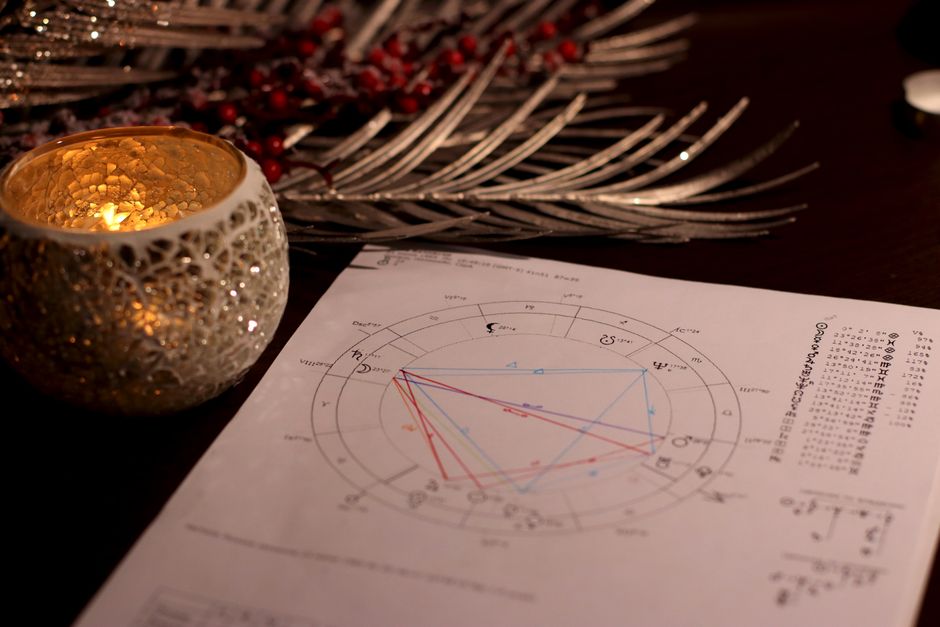
Tian De Nobleman: Heaven's Benevolence and Blessing
Tian De Nobleman, abbreviated as Tian De, is an auspicious star embodying heaven's virtue of nurturing life. According to the ancient text Kao Yuan, "The Heavenly Way is the direction where Tian De resides." Tian De represents the harmonious energy of the Three Combinations (三合) of the Five Elements, reflecting the flow of cosmic order. Those with Tian De in their chart are kind, intelligent, virtuous, law-abiding, and rarely encounter disputes. In times of danger, they find safety. For women, it indicates kindness and the ability to marry a noble husband. Tian De acts like an ancient imperial amulet, turning calamity into blessings.
How to Find Tian De Nobleman
Tian De is determined by the Earthly Branch of the birth month, looking for a corresponding Heavenly Stem in the four pillars. The formula is:
- Born in month 1 (Yin): see Ding (丁) in the chart
- Born in month 2 (Mao): see Shen (申)
- Born in month 3 (Chen): see Ren (壬)
- Born in month 4 (Si): see Xin (辛)
- Born in month 5 (Wu): see Hai (亥)
- Born in month 6 (Wei): see Jia (甲)
- Born in month 7 (Shen): see Gui (癸)
- Born in month 8 (You): see Yin (寅)
- Born in month 9 (Xu): see Bing (丙)
- Born in month 10 (Hai): see Yi (乙)
- Born in month 11 (Zi): see Si (巳)
- Born in month 12 (Chou): see Geng (庚)
For example, a person born in the ninth month (Xu) who has Bing (丙) in any of the four pillars has Tian De. The search is based on the month branch, checking the year, month, day, or hour stem.
Yue De Nobleman: Subtle Blessing
Yue De Nobleman, abbreviated as Yue De, has a more subtle effect. Those with Yue De in their chart enjoy deep blessings, longevity, health, and freedom from legal troubles. They are benevolent, intelligent, and able to turn danger into safety. However, they must also be diligent and self-reliant to attract heavenly help at critical moments. Yue De may not show obvious effects in daily life, but when difficult problems arise, a noble person will quietly appear to lend a hand.
How to Find Yue De Nobleman
Yue De is also determined by the month branch. The formula is:
- Born in Yin, Wu, or Xu months: see Bing (丙)
- Born in Shen, Zi, or Chen months: see Ren (壬)
- Born in Hai, Mao, or Wei months: see Jia (甲)
- Born in Si, You, or Chou months: see Geng (庚)
For example, a person born in Xu month (which belongs to the Yin-Wu-Xu Fire combination) who has Bing has Yue De. There is also the concept of "Yue De He" (月德合), which is the Yin stem that combines with the Yang stem of the combination. For Xu month, Xin (辛) is Yue De He, increasing the blessing power.
Tian De and Yue De in Relation to the Six Relatives: Noble People Close to You
The specific manifestation of Tian De and Yue De depends on the Six Relatives (六亲) and palace positions they represent:
- With Wealth Star (财星): your father or spouse is your noble person.
- With Officer or Authority Star (官杀): for men, children; for women, husband is the noble person.
- With Seal Star (印星): mother and elders are your noble people.
- With Eating or Hurting Star (食伤): for men, younger generation; for women, children are the noble people.
- With Sibling Star (比劫): siblings and peers are your noble people.
Tian De and Yue De are the most fortunate stars, and their assistance often comes through close relationships. If they combine with the chart's favorable elements (用神), the help is even more significant.
Other Common Gods and Noblemen
Besides Tian De and Yue De, there are many other commonly used stars in Ba Zi, such as:
- Tian Yi Nobleman (天乙贵人): The most honorable auspicious star, indicating help from noble people and turning misfortune into fortune. The formula is "Jia, Wu, Geng see Ox and Sheep; Yi, Ji see Rat and Monkey," etc.
- Wen Chang Nobleman (文昌贵人): Indicates academic talent, literary grace, and success in exams and research.
- Hua Gai Star (华盖星): Indicates solitude, artistic talent, and spiritual inclination. Those with this star often enjoy quiet contemplation and have unique insights.
- Tai Ji Nobleman (太极贵人): Indicates wisdom, insight, and a natural interest in mystical subjects.
These stars, combined with Tian De and Yue De, enrich the layers of Ba Zi analysis.
Practical Application: Supplementary Analysis of Personality and Fortune
In practice, gods and noblemen must be integrated with the Ten Gods and the strength of the Five Elements. For example:
- If Tian De or Yue De is favorable (喜用) and sits with the Seal Star, the person is knowledgeable, kind-hearted, and easily receives help from elders.
- If Tian De combines with the Officer Star, career goes smoothly and legal troubles are avoided.
- If Yue De He appears with the Eating or Hurting Star, the person is talented and appreciated by noble people.
However, these stars are not omnipotent. For instance, having Tian De and Yue De but an overabundant Seal Star (印星) that is unfavorable may lead to dependency and lack of initiative. Therefore, gods and noblemen are auxiliary tools and should not be judged independently of the entire chart.

Common Misconceptions: Overinterpreting Gods and Noblemen
Many beginners fall into the trap of "determinism by gods," thinking that having Tian De means a life without disaster, or having an inauspicious star means inevitable bad luck. In reality, the auspiciousness or inauspiciousness of a star depends on the chart's preferences and the interactions of the Five Elements. For example, Tian De is auspicious, but if the chart has an overabundant and unfavorable Seal Star, it may exacerbate dependency. Similarly, Yang Blade is inauspicious, but if it is favorable and properly controlled, it can foster decisiveness and courage. Therefore, view gods and noblemen rationally as references for self-awareness, not as fatalistic judgments.
Practical Advice: How to Use Gods and Noblemen for Self-Discovery
If you are curious about your own Ba Zi, try the following steps:
- Use a professional charting tool (such as Try Now) to generate your Ba Zi chart.
- Check the Heavenly Stems and Earthly Branches of the year, month, day, and hour pillars. Use the formulas for Tian De, Yue De, etc., to identify auspicious stars in your chart.
- Combine with the Ten Gods to determine whether these stars are favorable. For example, Tian De is auspicious, but if your chart has an overabundant and unfavorable Seal Star, be mindful of dependency issues.
- Compare the personality traits indicated by the stars with your real life for self-reflection and growth.
Remember, Ba Zi is a tool, not a verdict. True wisdom lies in understanding yourself and actively adjusting your behavior to live a more fulfilling life.
Frequently Asked Questions
Which is more powerful, Tian De or Yue De?
According to the Zi Ping Fu, "When the Seal Star meets Tian De, the person avoids legal trouble and remains safe until old age. Thus, Tian De surpasses Yue De." Generally, Tian De is considered to have stronger protective power, like wearing two layers of bulletproof armor. However, both are highly auspicious, and if they appear together, the blessing is multiplied.
Can gods and noblemen determine fate alone?
No. They are auxiliary dimensions in Ba Zi analysis and must be combined with the Ten Gods, the strength of the Five Elements, and the overall structure. For example, having Tian De but an overabundant and unfavorable Seal Star may lead to dependency and lack of initiative. Therefore, they cannot be judged independently of the entire chart.
How do I find my own Tian De and Yue De?
Based on the Earthly Branch of your birth month, look for the corresponding Heavenly Stem in your four pillars. For example, if you were born in the first month (Yin), seeing Ding in your chart indicates Tian De. If you were born in the ninth month (Xu), seeing Bing indicates Yue De. You can use a charting tool (such as Try Now) for quick calculation.
Is the system of gods and noblemen applicable to modern people?
The system originated from ancient observations of nature and society, with its core logic rooted in the interactions of the Five Elements and seasonal changes. Modern people can still use it as a tool for self-awareness, but should view it rationally and avoid fatalism. For more Ba Zi knowledge, visit our blog.