Buying a house and moving are major life events. A good home carries the daily life and future aspirations of a family. But many people only focus on decoration and furniture, overlooking key details passed down from our ancestors—the purification ritual before moving in, and the inherent flaws of the floor plan itself. This article takes a practical approach, explaining the true meaning and steps of house purification, and listing several common floor plan pitfalls to help you create a clean, stable, and comfortable home.

Why Must You Purify the House Before Moving In?
House purification is not superstition; it is a life wisdom to clear residual energy from the space and reshape the home's atmosphere. Whether it's a new house or a second-hand house, it is necessary to perform purification before moving in.
Does a New House Also Need Purification?
Many people think that since no one has lived in a new house, its energy must be clean. But in reality, during construction, decoration, and vacancy, the comings and goings of workers, dust and odors from renovation, long-term enclosed humidity, and interference from the surrounding environment can all cause the space to accumulate chaotic and stagnant residual energy. Purification awakens the vitality of the house, making the space full of yang energy, airy, and expansive.
Second-Hand Houses Require Thorough Cleaning
The previous owner's daily routines, emotional states, and interpersonal atmosphere leave invisible imprints on the space. If the previous residents had a messy life or a压抑 (oppressive) atmosphere, the residual negative energy can easily affect the new occupants. The core purpose of purification is to clear out old energy, replace it with a new atmosphere, and return the house to a clean and open state.

What Exactly Does Purification "Purify"?
Daily cleaning removes visible dust and trash; traditional purification clears invisible space energy, stale magnetic fields, and negative atmospheres. Simply put: cleaning purifies objects, while purification purifies the mind, the field, and the atmosphere. Only when the space's energy is clean and pure can the residents have a peaceful mind and a harmonious family atmosphere.
Easy and Effective Traditional Purification Methods
The following methods have no complicated procedures and can be easily performed by ordinary people:
- Ventilation (Basic and Essential): Open all windows for 3-7 days before moving in to drive away damp, stagnant, and turbid energy, and bring in fresh air.
- Coarse Salt Purification (Versatile and Universal): Place coarse salt in corners of the house, entrance, bathroom, balcony, etc., let it sit for 24-48 hours to absorb chaotic energy, then sweep and discard it all at once.
- Mugwort Wiping to Remove Impurities: Boil a pot of mugwort warm water, wipe door frames, window frames, walls, and furniture, spray the remaining water in corners to remove odors and purify the atmosphere.
- Five Grains to Attract Energy and Revitalize the House: Before moving in, lightly scatter five grains clockwise throughout the house, let them sit for three days, then sweep them up. This symbolizes dispersing stagnant energy and attracting new, prosperous energy.
The core logic of the entire purification process: clear old impurities, replace with new energy, stabilize the field, and transition the house from "vacant state" to "inhabited state." If you want to learn more about daily Feng Shui balancing methods, you can check our Almanac Tool to arrange according to auspicious days.
Floor Plan Pitfalls: Avoid These 4 Types of Floor Plans Even If They Are Cheap
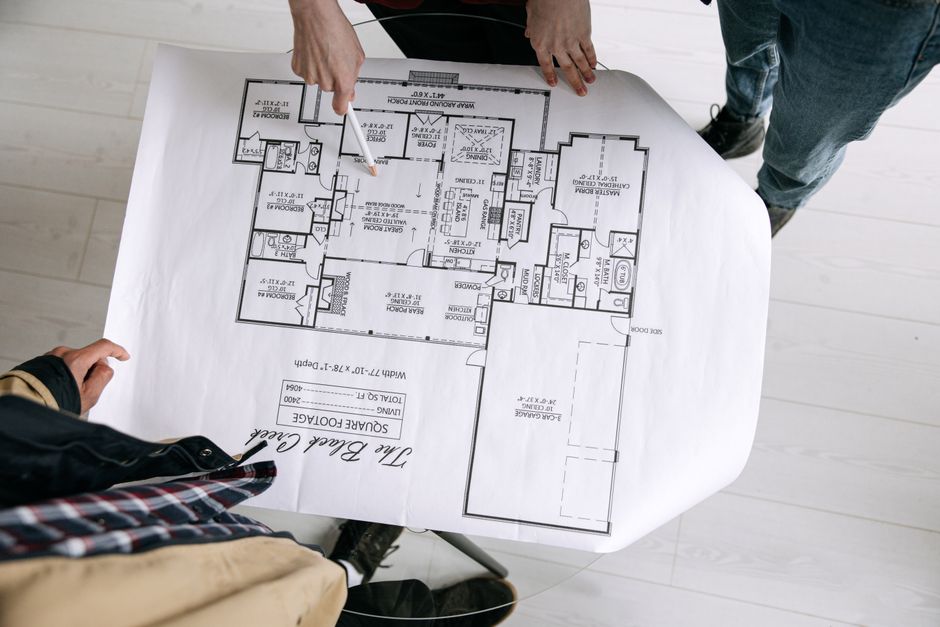
Purification is a post-hoc adjustment; the floor plan and surrounding environment are the foundation. When choosing a house, be sure to avoid the following flawed floor plans:
1. Stepped Asymmetrical Floor Plan
The floor plan resembles a staircase, with left and right sides unbalanced. Indoor airflow is blocked, lighting is uneven, and it is easy to form dead corners for energy flow. Long-term residence can lead to fluctuating life conditions, limited furniture placement, and greatly reduced comfort.
2. Gun-Shaped Floor Plan
The outline looks like a gun, with a long narrow extension protruding from the main area. The usable area is low, hallways are narrow and dark, space is wasted, and the circulation is unreasonable. Renovation is difficult later, and resale is challenging.
3. Multi-Angled Irregular Floor Plan
Pentagonal, polygonal, and other irregular floor plans have messy corners, no complete walls, difficult furniture placement, and low space utilization. The energy field is fragmented, easily breeding trivial conflicts, and making it hard to live peacefully.
4. Poor Orientation with Chaotic External Energy
Adjacent to old industrial areas, chimneys, special public venues, low-lying damp areas, etc., even if the internal floor plan is regular, an unbalanced external environment affects living quality. Noise, odors, and a sense of oppression persist, making it unsuitable for a peaceful home.
The core standards of a good floor plan: regular shape, reasonable circulation, good lighting, clean environment, and stable energy. You don't need a perfect house, but you must avoid fatal flaws. You can use our Feng Shui Compass Tool to help determine the house's orientation and energy.
Frequently Asked Questions
How long after purification can I move in?
Usually, after completing the purification process (ventilation, placing coarse salt, mugwort wiping, etc.), it is recommended to ventilate for another 1-2 days until the smell dissipates, then you can move in. If five grains were used, wait three days, clean them up, and then move in furniture.
Do I need to hire a professional for purification?
Generally, families can do it themselves without hiring anyone. If the house has experienced a major incident or has been vacant for a long time, you may consider asking an experienced Feng Shui master for assistance. Daily purification should be simple and practical, focusing on intention and action.
What if the floor plan is regular but the lighting is poor?
You can improve it by increasing indoor lighting, using light-colored decoration, reducing partitions, and installing mirrors to reflect light. Also, keep windows clean, ventilate regularly, and use plants to adjust humidity and energy. For more improvement suggestions, refer to our Blog Articles.