Justice
Justice tarot meaning: truth, fairness and accountability. Find out what upright and reversed Justice suggests for love, career and financial matters.
Imagery & Core Meaning
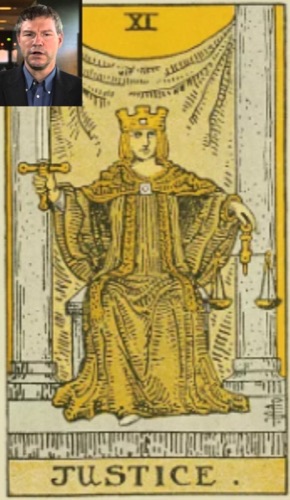
A crowned figure sits between two stone pillars, a double-edged sword upright in her right hand, golden scales balanced in her left. Her red robe speaks of action, the square on her crown of ordered thought.
Numbered eleven and linked to Libra, Justice is the card of cause and effect. It appears where truth, fairness and consequences matter — legal matters, honest reckonings, decisions with long shadows.
▲ Justice Upright Meaning
Upright, Justice suggests outcomes will reflect what was actually sown. Integrity earns fair treatment; cut corners, and the bill arrives either way.
It also demands clear-eyed honesty before deciding: weigh evidence over emotion, check your facts, and own your part in how things arrived here.
💞 Love
In love, it points to balance and honesty between partners — give-and-take must feel fair on both sides. Singles should be truthful about what they offer and seek.
💼 Career
At work, it favors contracts, fairness and merit. Document your contributions, negotiate openly; in disputes, facts and procedure are your best allies.
💰 Money
Financially, handle the paperwork properly — agreements, taxes, debts. Transparent decisions now tend to protect you later.
▽ Justice Reversed Meaning
Reversed, Justice can signal unfairness: being misjudged or caught in a system that breaks its own rules. Keep records and stay factual rather than bitter.
It can also point inward — self-deception or dodged responsibility. Blaming everyone else stalls things; the scales move only once you admit your share.
💞 Love
In relationships it may reflect imbalance, dishonesty or score-keeping. Unspoken resentment needs an honest airing before fairness can return.
💼 Career
Career-wise it can warn of bias, broken promises or contractual trouble. Read the fine print, protect yourself in writing, skip ethically grey shortcuts.
💰 Money
Money-wise, be cautious with agreements and shared finances. Hidden terms or dishonest dealings may surface; review everything before signing.
✦ Advice from This Card
Stand still long enough to see the whole picture. Gather the facts, separate what you feel from what is true, and make the decision you could defend in broad daylight — then accept its consequences without flinching.
❓ FAQ
Is Justice a yes or no card?
It is neutral: yes only if the situation is fair and honest. Essentially, you will get what you deserve, not necessarily what you want.
What does Justice mean in a love reading?
Usually a call for honesty and balance, sometimes a formalized commitment like marriage. Reversed, it may highlight unfair treatment or hidden truths.
Does the Justice card mean legal issues?
It can, especially around contracts or disputes. More broadly, facts and fairness will decide the outcome, so keep your dealings transparent.